Aug 27, 2026
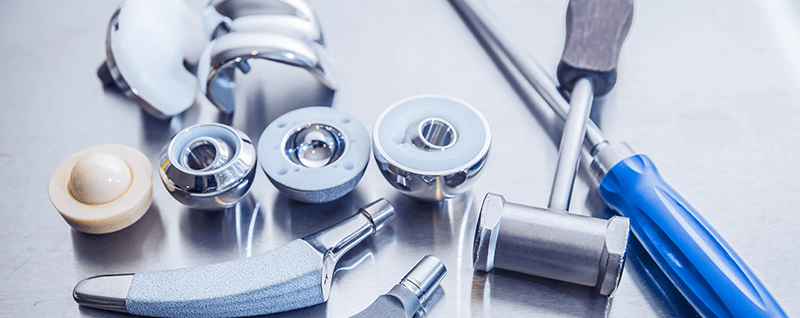
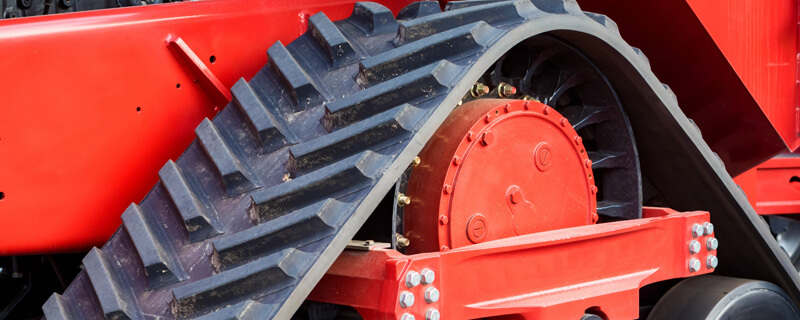
For industries such as automotive, aerospace and healthcare, products must perform reliably, withstand demanding conditions and meet specific manufacturing and performance requirements. Because of this, manufacturers often turn to long-lasting, durable materials such[…]
Jul 21, 2026
Rubber-to-metal bonding is a critical manufacturing process used to permanently bond elastomers to metal components, creating durable assemblies that withstand vibration, impact, temperature extremes and harsh operating environments. The process is widely used in aut[…]
Mar 26, 2025
Manufacturers frequently use LSR overmolding to mold liquid silicone rubber (LSR) over a compatible substrate, such as plastic or metal, to enhance the final product’s properties, functionality and design. The process can combine the flexibility and durability of sil[…]
Feb 15, 2025
Engineered fibers are designed to enhance the properties of products in a variety of industries. They are widely used in transportation, industrial and construction to improve product safety, strength, environmental resistance and durability.
As shifting market co[…]
Jan 15, 2025
Conductive carbon black is a popular performance additive that boosts the conductivity and mechanical properties of polymers, elastomers, and rubber compounds. Materials such as adhesives, plastics, and coatings often have low electrical conductivity, which limits th[…]
Jul 15, 2024
Have you ever wondered how rubber spatulas and spoons get their vibrant colors? If these products are made of silicone, it’s likely that Holland Colours’ colorants for liquid silicone rubber are responsible for their eye-catching hues.
Liquid silicone rubber (LSR)[…]
Feb 23, 2024
Thermoplastic elastomers are an essential material for manufacturing a wide array of products across automotive, medical, industrial and consumer sectors. When comparing TPE vs silicone, the right material depends on the application's temperature range, chemical expo[…]
Jan 25, 2024
Rubber is a very versatile elastomer used in various industries to mold parts and manufacture products such as automotive tires, cables, and surgical gloves. Rubber also serves as a lining material for industrial chutes and storage tanks and a protective coating for […]
Jul 27, 2023
Platinum cured silicone offers a high-purity curing method for silicone rubber used in demanding food, healthcare and industrial applications. The inherent physical properties of silicone rubber, including its resistance to water and heat, make it suitable for a wide[…]
Mar 14, 2023
Bruggemann, a company specializing in polymer additives, has introduced a new technology that was recently featured in Rubber World. This innovation combines two additives, TP 1862 and LP21-103, to create a rubber-to-metal adhesive that eliminates the need for resorc[…]