Rubber-to-Metal Bonding: How to Select Adhesives and Prevent Bond Failures
Reading Time: 8 minutes
Last Updated on September 14, 2026
Rubber-to-metal bonding is a critical manufacturing process used to permanently bond elastomers to metal components, creating durable assemblies that withstand vibration, impact, temperature extremes and harsh operating environments. The process is widely used in automotive, aerospace, industrial equipment, medical devices and many other industries where component reliability is essential.
Strong rubber-to-metal bonds improve product performance, reduce maintenance requirements and extend service life. However, achieving a reliable bond requires much more than selecting an adhesive. Material compatibility, surface preparation, processing methods, curing conditions and environmental factors all influence long-term bond performance.
This blog post explains the fundamentals of rubber-to-metal bonding, common causes of bond failures and best practices for selecting adhesives and optimizing your manufacturing process.
What Is Rubber-to-Metal Bonding?
Rubber-to-metal bonding is the process of chemically and mechanically joining rubber to metal substrates using specially formulated adhesive systems. During molding, heat and pressure activate the adhesive while simultaneously curing the elastomer, creating a permanent bond between the two materials.
Although this article focuses on rubber-to-metal bonding, many of the same principles also apply when bonding rubber to plastics, composites and other substrates.
Common applications include:
- Engine mounts
- Anti-vibration mounts
- Bushings
- Rollers
- Seals and gaskets
- Belts
- Hoses
- Pump components
- Industrial wheels
- Aerospace components
- Encapsulated electrical assemblies
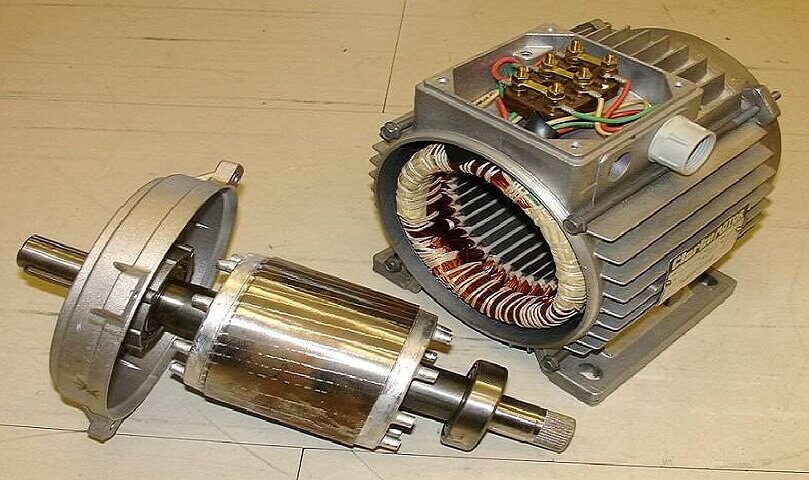
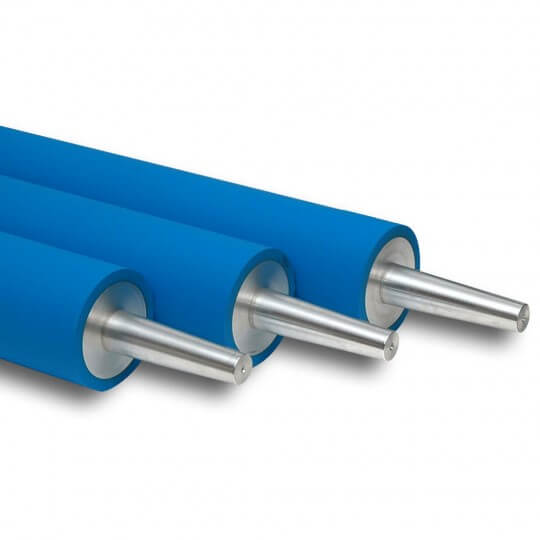
Photo credits: linquip.com and joopstoop.com
Failure in the bonding process can result in costly failures in the end-use application. Bond failures can occur due to factors such as incompatible materials, improper storage, and issues during processing, like inadequate mixing, drying time and film thickness of coating.
H.M. Royal, a chemical product distributor experienced in this field, has extensively analyzed numerous potential causes of rubber to substrate bond failures. To prevent such failures, they recommend implementing the following measures.
Why Adhesive Selection Matters
Rubber-to-metal bonds are only as strong as the adhesive system used to create them. Selecting an incompatible adhesive can result in premature failures, increased scrap rates and reduced product reliability.
When evaluating adhesives, consider compatibility with:
- Elastomer type
- Metal substrate
- Operating temperature
- Chemical exposure
- Mechanical loading
- Manufacturing process
- Environmental requirements
The right adhesive should provide excellent adhesion while maintaining flexibility and durability throughout the product’s service life.
Choose the Right Rubber-to-Metal Adhesive
Different adhesive systems are designed for different materials and operating environments. For example, consider the following solvent-based adhesives:
- THIXON 2001-EF: This adhesive is specifically designed to bond natural rubber, chloroprene, butyl, SBR, EPDM, and nitrile to various substrates. It is formulated to provide adequate bond for these materials as well as resistance to typical environments where these materials are used.
- THIXON 405: On the other hand, THIXON 405 is formulated for bonding castable, millable, and thermoplastic urethanes to metal substrates, including various grades of steel, aluminum, and more. It offers excellent adhesion properties tailored for these specific combinations.
Although both are solvent-based adhesives, they are engineered for different material combinations and service environments. Selecting an adhesive based solely on chemistry—or assuming all solvent-based products perform similarly—can lead to poor bond strength and premature failure.
Common Causes of Rubber-to-Metal Bond Failures
H.M. Royal, a leading distributor of chemical products, has extensively analyzed the potential causes of rubber-to-metal bonding failures. Our expertise sheds light on how proper adhesive selection and application can prevent these issues and ensure successful outcomes. Even high-performance adhesives cannot compensate for poor manufacturing practices.
1. Adhesive Incompatibility
An adhesive that is incompatible with either the elastomer or the metal substrate may never achieve proper adhesion.
Compatibility between the adhesive, primer (when used), rubber formulation and substrate should always be verified before production.
2. Poor Surface Preparation
Surface preparation is one of the most important factors affecting bond strength. Proper surface preparation minimizes the presence of contaminants that could interfere with the bonding process. Additionally, further surface preparation such as blasting, phosphatization, and other chemical and mechanical surface treatments can be advantageous to bond performance. Contaminants such as the following can create a barrier that prevents proper adhesion:
- oil
- grease
- dust
- rust
- oxidation
- blasting residue
- mold release agents
A clean, properly prepared substrate significantly improves long-term bond performance. Best practices include:
- Degreasing metal surfaces
- Mechanical abrasion or grit blasting
- Removing loose particles
- Applying appropriate surface treatments when required
Mechanical Abrasion
Mechanical abrasion should take place after degreasing to remove any surface oxidation or heavy contaminants not removed during the de-greasing process. This step not only removes surface films, scale and oxides, but also increases the surface area available for bonding.
Effective methods of abrasion include:
• Wire brushing
• Roughening with sandpaper
• Steel grit or other media blasting
The chosen method largely depends on the type of substrate being used. Certain substrates, such as beryllium, can pose risks to workers during abrasion, so always check health and safety requirements be-fore starting the process. For metals, a surface finish with a roughness mean square (RMS) between 150 microinches and 250 microinches is usually recommended.
After abrasion, remove all loose particles from the surface. Neglecting this step could lead to bond failure.
Apply Surface Treatments
Improving the physical and chemical properties of the surface can en-hance adhesion, especially when bonding plastic and metal sub-strates. A variety of acids and alkalis can be used for surface treat-ment. The type of chemical will depend on the surface being treated.
Common surface treatments include:
• Phosphitization/Phosphate Treatment (Fe, Ca, and other elemental treatments)
• Corona/Plasma Treatment (particularly for difficult-to-wet or bond plastics)
• Acid Etch (Nitric, Chromic, Hydrofluoric, Hydrochloric, etc.)
• Alkaline Etch (Sodium Hydroxide, Potassium Hydroxide, etc.)
Workers should wear appropriate personal protective equipment and need to be well-trained in the use of these treatments. Treatment and rinse baths must be maintained at suitable temperatures and concentrations to ensure consistency across batches.
Application Methods
The appropriate application method for adhesion depends on several factors, including cost, size, complexity of the application area, and desired throughput speed.
Mixing
Proper adhesive mixing is critical to avoid settling of solids and ensure consistent bonding performance. Use a propeller-style mixer and follow the manufacturer’s technical data sheet. Adhesives that are mixed incorrectly may contain settled solids, which often include raw materials critical in the bonding process. Even slight deviations from the proper mixing procedure can compromise bond integrity.
For the best mixing results, H.M. Royal recommends using a propeller-style mixer at 60 RPM or higher setting, depending on the specific technology. Lower mixing speeds are required for waterborne bonding systems. To ensure safety, operators should wear personal protec-tive equipment and mix the adhesive thoroughly in a well-ventilated area, as specified in the technical data sheet.
Spraying
Although spraying can be more expensive, it is highly efficient in terms of throughput. In some cases, it may even be more cost-effective to spray large parts rather than brush them. To achieve proper atomization, a lower viscosity adhesive is often required for spraying and diluting the adhesive may yield the best results. However, care must be taken to avoid over-spraying the parts, as this can lead to wasted adhesive.
Dipping
Dipping typically requires less expensive equipment than spraying. Like spraying, dipping can be automated to increase throughput speeds. It is important to use an adhesive with the right viscosity to ensure it remains on the substrate after being removed from the dip tank.
Brushing
Though it is often a more time consuming method, brushing may be necessary to effectively coat the substrate of intricate parts. Both brushing and dipping have nearly 100% transfer efficiency, meaning they minimize waste. This allows a gallon to go three times further compared to spraying, which has a transfer efficiency of only 25-30%, unless highly optimized.
Curing
After applying and drying the adhesive, you are ready to introduce the rubber and cure it. Curing processes are crucial for ensuring a strong, reliable and long-lasting bond. Deviating from specified processing instructions can significantly impact the quality of the bond.
Keep in mind that the adhesive should cure alongside the rubber. They must have over-lapping cure windows to prevent curing too quickly or slowly. Since heat and pressure are necessary for curing, it is essential to ensure that coated inserts are subjected to this heat and pressure within these specified parameters.
If coated inserts are exposed to mold cure temperatures for an extended period before the rubber is introduced, bonding failures may occur due to a phenomenon known as prebak-ing. Generally, a low prebake time is preferable for bonding, but each adhesive varies in how much prebake it can resist. DuPont’s Thixon™ 550, for example, is extremely resistant to prebake.
3. Improper Adhesive Mixing
Many bonding adhesives contain solids that naturally settle during storage. If adhesives are not mixed thoroughly before use, critical bonding ingredients remain in the container instead of being applied to the part.
Proper mixing according to the manufacturer’s technical data sheet helps ensure:
- consistent viscosity
- uniform solids distribution
- reliable bond strength
4. Processing Errors
Processing conditions and deviating from operating instructions directly affect bond quality. For example, the adhesive and rubber should have cure windows that over-lap, neither curing too quickly or slowly to cross link with the other. Because heat and pressure are required for curing, it is essential to ensure that coated inserts are exposed to this heat and pressure within these parameters. Exposing coated inserts to mold cure temperatures for an extended period before introducing the rubber can lead to bonding failures as a result of what we call prebake.
Potential problems include:
- insufficient drying time
- excessive dilution
- incorrect dry film thickness
- improper cure cycles
- excessive prebake before molding
Because the adhesive and elastomer cure simultaneously, their cure windows must overlap to produce maximum bond strength.
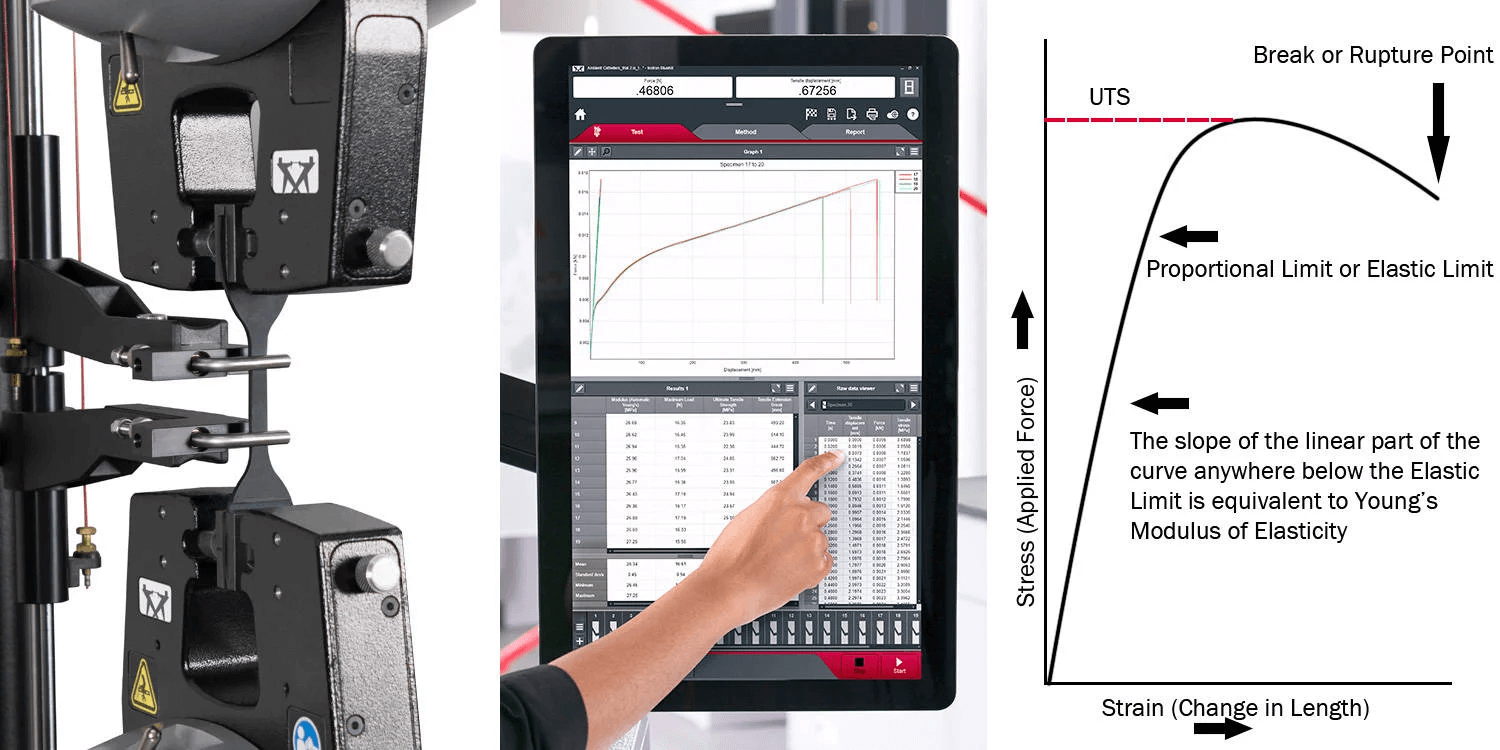
Photo credit: Instron.com
5. Improper Adhesive Storage
Adhesives should always be stored according to the manufacturer’s recommendations. Exposure to excessive heat, freezing temperatures, humidity or prolonged storage can reduce adhesive performance and negatively affect cross-linking agents and bond integrity. They can also become unsuitable for brush, dip or spray, as the material will become too viscous to use. Likewise, coated inserts should be protected from contamination prior to molding.
6. Environmental Exposure
The finished part must perform in its intended environment. Consider exposure to:
- elevated temperatures
- oils
- fuels
- solvents
- moisture
- vibration
- cyclic loading
- corrosive chemicals
Selecting an adhesive designed for the expected service conditions helps maximize long-term reliability.
Understand Bond Failure Modes
Knowing how a bond failed often provides valuable clues for correcting the process. The three most common failure modes include:
Rubber Failure
The rubber tears while the adhesive remains bonded to both the rubber and metal.
This is generally considered the desired failure mode because it indicates the adhesive bond is stronger than the rubber itself.
Cement-to-Metal Failure
The adhesive separates from the metal surface. This typically indicates poor surface preparation or contamination.
Rubber-to-Cover Failure
The adhesive remains attached to the metal but separates from the rubber. Possible causes include:
- incompatible adhesive
- rubber formulation issues
- inadequate curing
- processing errors
Understanding these failure modes makes troubleshooting significantly more effective. You can select an adhesive system that balances strength and flexibility, reducing the likelihood of failures and ensuring the longevity of the bond.
Sustainability Considerations
Many manufacturers are seeking more sustainable bonding solutions. Modern adhesive technologies can help reduce environmental impact by offering:
- lower VOC content
- reduced hazardous air pollutants (HAPs)
- elimination of certain materials of concern
- lower flammability
- improved worker safety
Selecting environmentally responsible adhesive systems can help manufacturers meet sustainability goals without sacrificing performance.
Verifying Bond Strength Through Testing
The only way to fully evaluate rub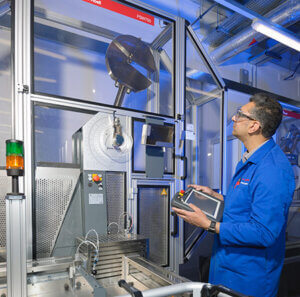 ber-to-metal bond strength is through destructive testing.
Testing allows manufacturers to:
- verify bond integrity
- identify failure modes
- compare adhesive systems
- validate processing parameters
- improve long-term reliability
Routine testing provides valuable quality assurance and helps prevent costly field failures.
Partner with H.M. Royal
Successful rubber-to-metal bonding depends on selecting the right adhesive system, preparing substrates correctly, following proper processing procedures and validating bond performance through testing.
H.M. Royal supplies a broad range of DuPont™ THIXON® and MEGUM® rubber-to-metal bonding adhesives and provides technical expertise to help manufacturers select the best solution for their application. Our laboratory can evaluate adhesive performance with your specific elastomer and substrate, helping optimize bond strength, improve manufacturing efficiency and reduce production issues.
Frequently Asked Questions about Rubber-to-Metal Bonding
What is rubber-to-metal bonding?
Rubber-to-metal bonding is a manufacturing process that permanently joins elastomers to metal substrates using specially formulated adhesives, heat and pressure.
What causes rubber-to-metal bond failures?
The most common causes include incompatible adhesives, poor surface preparation, contamination, improper adhesive mixing, incorrect curing conditions and environmental exposure.
How do you prepare metal for rubber bonding?
Metal surfaces should be thoroughly degreased, mechanically abraded if necessary, cleaned of contaminants and treated according to the adhesive manufacturer’s recommendations.
How is rubber-to-metal bond strength tested?
Bond strength is typically evaluated through destructive testing, which helps identify the type of bond failure and verify adhesive performance.
Whether you’re bonding rubber to steel, aluminum or other substrates, our materials experts can help you achieve stronger, longer-lasting bonds. Contact us for a technical consult.
For more information about bonding failures, download the infographic on Identifying a Rubber to Substrate Bond Failure below.
You can also email us at in**@*****al.com. Find out more about the products we represent at www.hmroyal.com.